

 Q & M Cares



WHAT’S NEW

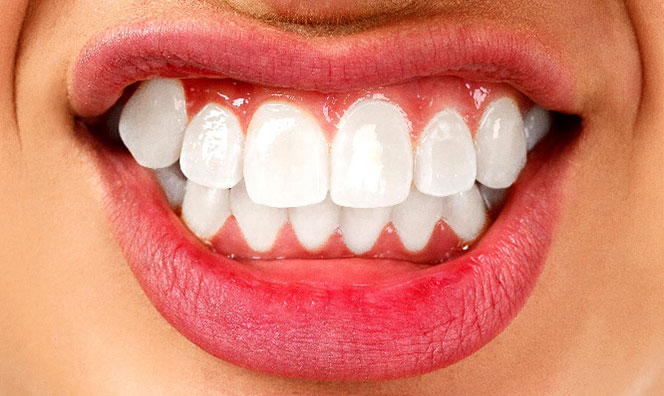
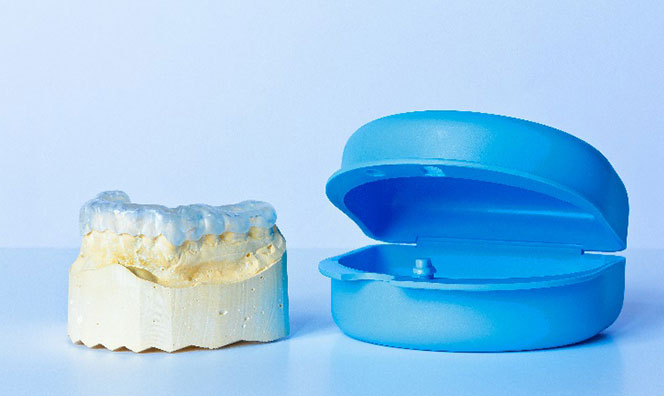
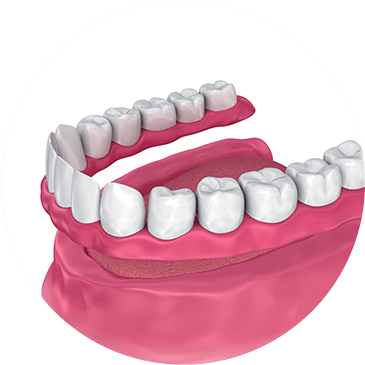
Teeth grinding or clenching, also called bruxism, is the involuntary grinding, clenching or gnashing of teeth. It can happen during sleep, or when you are awake concentrating, under stress or anxiety. People who grind or clench their teeth during sleep are more likely to have other sleeping disorders such as snoring and sleep apnoea (breathing pauses), leading to poor sleep quality.
Mild bruxism does not always cause severe problems and may not require treatment. However, some people may get headaches, jaw disorders, damaged teeth and other issues.
As doctors do not know what exactly causes bruxism, it can be due to various factors. These include:
Several factors may increase the risk of bruxism:


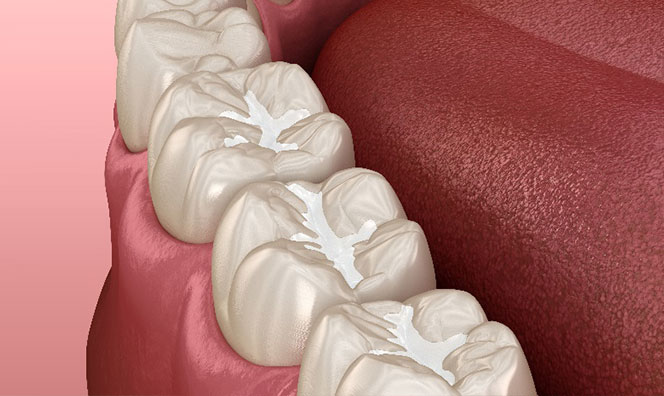
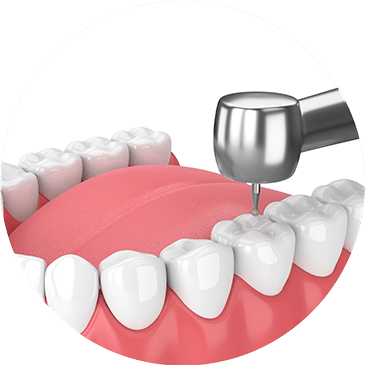
Fissure sealants are thin coatings applied on the molars' biting surfaces to prevent tooth decay and cavities. This dental procedure is quick, safe and painless and can be done by a general dentist. The sealants provide a protective barrier that keeps food and bacteria from getting into the tiny grooves in the teeth that can cause plaque.
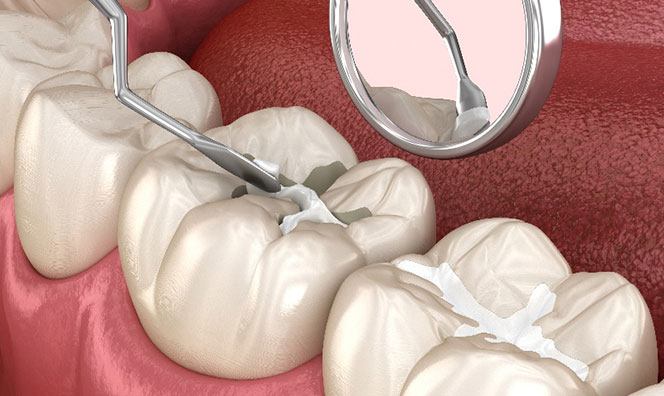
As having fissure sealant applied is a simple and painless treatment, no “drilling” is required. The dentist will:
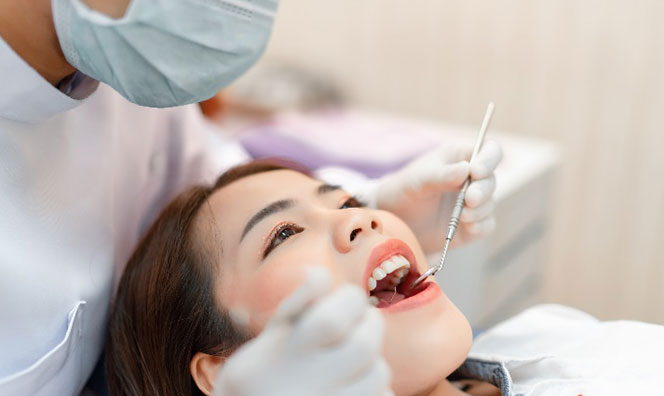
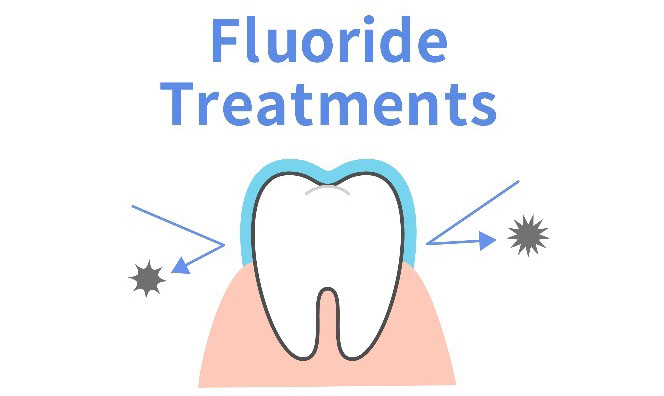
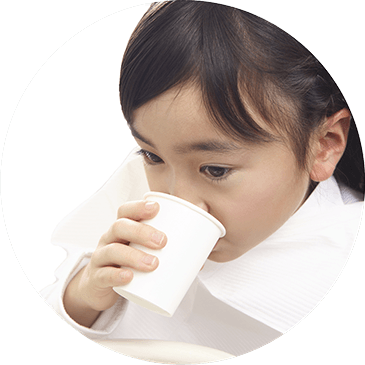
Fluoride, a mineral, is naturally found in water and various kind of foods. Topical fluoride is an active ingredient present in many dental products such as toothpaste, mouthwash, gels and varnishes. It has been an essential oral health treatment for many years and has been proven safe and effective.
When acids attack the enamel (outer protective) layer of the tooth in the food and drinks we consume, the loss of minerals from tooth enamel over time is known as demineralization.
Topical fluoride in a dental clinic encourages remineralization by strengthening the bonding of calcium in our tooth enamel. This treatment gives rise to a more acid-resistant enamel surface of the teeth, preventing and even reversing tooth decay.
Topical fluoride treatment is beneficial if you are at high risk of developing cavities.